SARPE vs MARPE: Palatal Expansion for a Narrow Upper Jaw
 Hospitaprime6 min read
Medically reviewed by Dr. Eren Pera
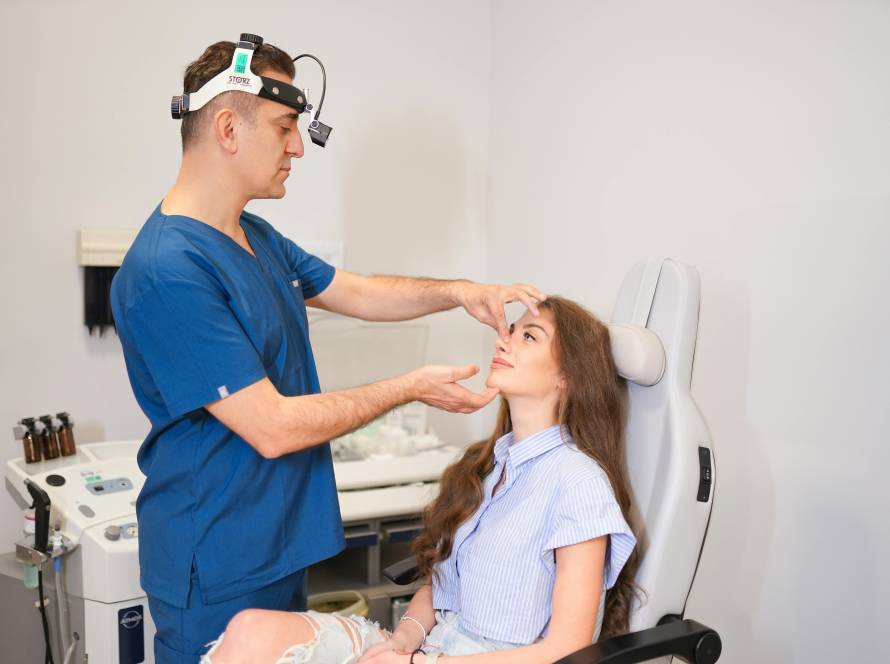
SARPE (surgically assisted rapid palatal expansion) and MARPE (miniscrew-assisted rapid palatal expansion) are the two main ways to widen a narrow upper jaw in adults, whose palate has already fused. MARPE anchors an expander to the palate with mini-screws, without surgery; SARPE adds a small surgical release before expansion. The choice depends on your age, how fused the palate is and how much width you need.
Key facts
- Why adults need more than an expander: in children the two halves of the upper jaw are joined by a growth seam (the midpalatal suture) that opens easily. In adults it has fused, so a tooth-borne expander mostly tips the teeth instead of widening the bone.
- MARPE: an expander anchored to the palate bone with mini-screws, placed without surgery.
- SARPE: a surgical release of the upper jaw under general anaesthesia; a few days later the expander is activated step by step.
- Signs of a narrow upper jaw: crossbite, crowding, a narrow palate or a blocked nasal airway.
- After expansion: the device stays in place for a few months while the new bone hardens, then braces or aligners finish the bite.
- At Hospitaprime: SARPE is performed by oral and maxillofacial surgeon Dr. Eren Pera; orthodontics by Dr. Tuğçe Gürbüztürk at the clinic, or coordinated with your own orthodontist.
What is palatal expansion and why is it harder in adults?
Palatal expansion widens the upper jaw (maxilla) by separating its two halves along the midline of the palate and letting new bone fill the gap. In children and teenagers this works with an orthodontic expander fixed to the teeth, because the suture in the middle of the palate is still open.
With age the suture becomes more interlocked and fused. In adults, pushing on the teeth alone tends to tip them outwards rather than widen the bone, which can harm the gums and relapse later. That is why adults usually need either bone anchorage (MARPE) or a surgical release (SARPE).
Do I have a narrow upper jaw?
A narrow upper jaw in adults often shows as:
- A crossbite: some upper back teeth bite inside the lower teeth, on one or both sides.
- Crowding, with too little space for the upper teeth to line up.
- A high, narrow palate and dark corners when you smile.
- Breathing through the mouth or a feeling that the nose is blocked.
Only an examination and a 3D scan confirm whether the problem is the width of the bone, the position of the teeth or the position of the whole jaw. Our page on orthodontic treatment explains how bite problems are assessed.
What is MARPE treatment?
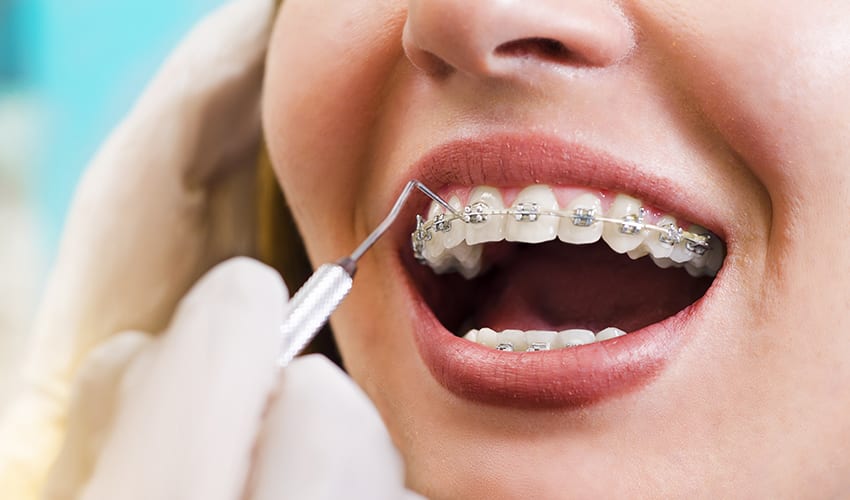
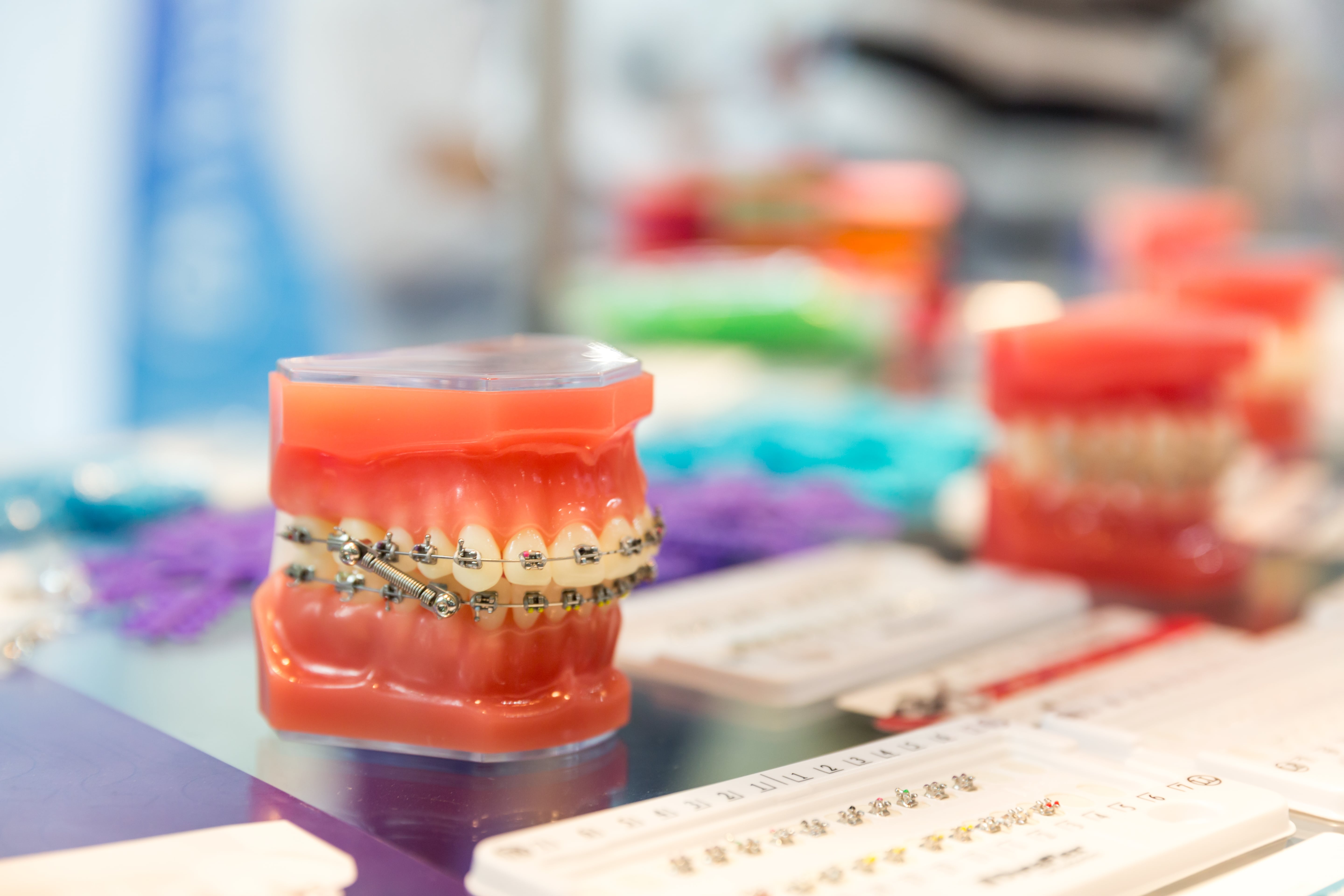
MARPE uses an expander attached to the teeth and anchored to the bone of the palate with small mini-screws. Because the force goes directly into the bone, it can open the suture without surgery in suitable adults. The expander is turned gradually as your orthodontist instructs, and a gap usually appears between the upper front teeth as the jaw widens; it closes later with orthodontics.
MARPE is generally more predictable in younger adults, whose suture is less fused. In older adults, or when a lot of width is needed, the suture may not open, and SARPE becomes the more reliable option.
What is SARPE treatment?
SARPE combines orthodontic expansion with a surgical procedure that separates the jaw bones, so the upper jaw can widen in a controlled way. At Hospitaprime it works like this:
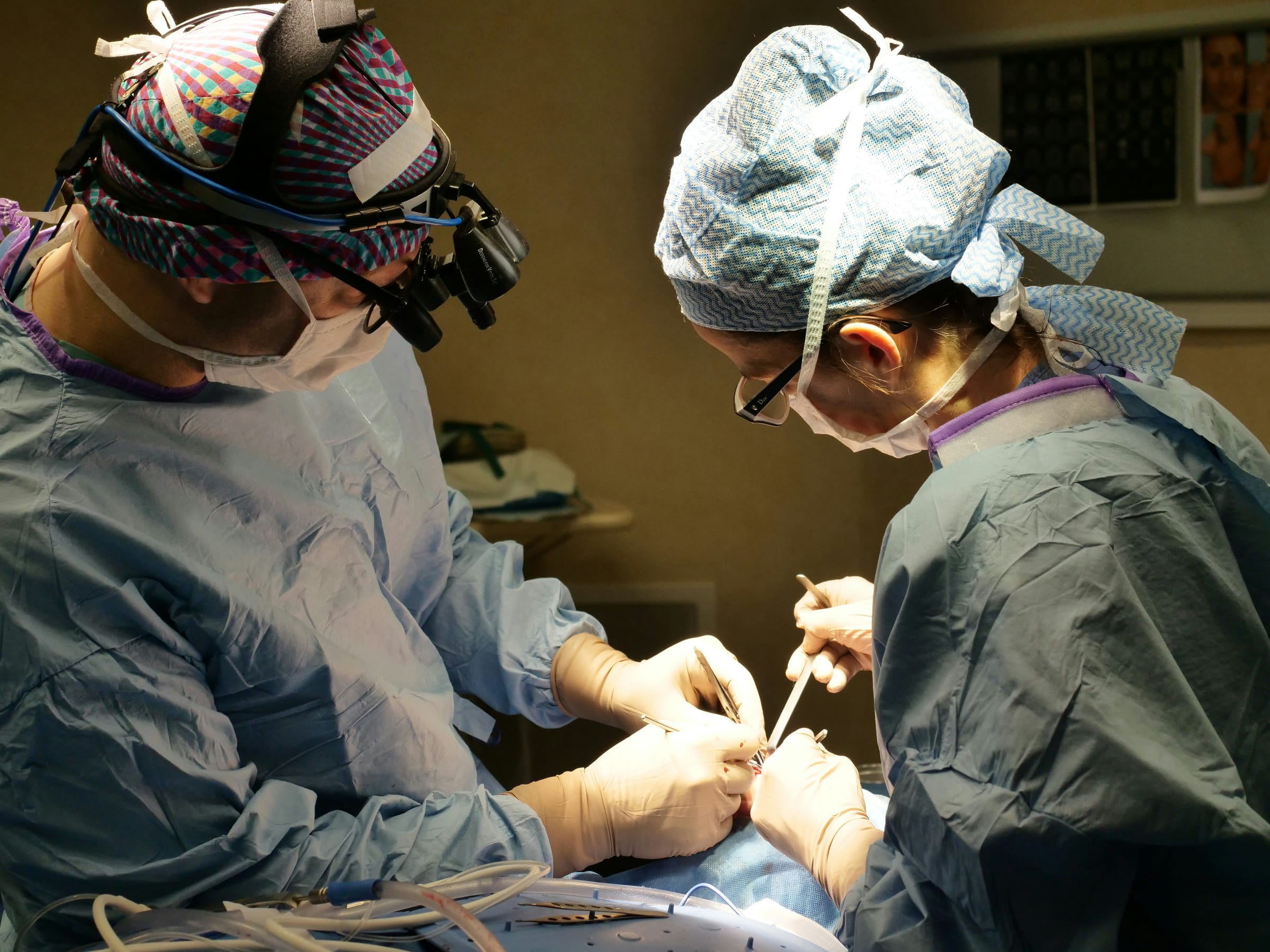
- Surgical phase. Under general anaesthesia, small cuts are made in specific areas of the upper jaw bone through the mouth to weaken its resistance, and the midline of the upper jaw is carefully separated. The expander is fitted beforehand or during the operation.
- Expansion phase. A few days after surgery, you start activating the expander according to the orthodontist’s instructions. The upper jaw widens gradually while new bone forms in the gap.
- Consolidation. When the planned width is reached, the device stays in place for a few months while the new bone hardens. Regular orthodontic check-ups monitor progress.
- Orthodontics. Braces or aligners then align the teeth and close the temporary gap between the front teeth.
You can read more on our SARPE (surgically assisted rapid palatal expansion) page.
SARPE vs MARPE: how do they compare?
| MARPE | SARPE | |
|---|---|---|
| How it widens the jaw | Expander anchored to the palate with mini-screws | Surgical release of the upper jaw, then an expander |
| Surgery | No | Yes, under general anaesthesia |
| Best suited to | Younger adults, moderate width needed | Older adults, fused suture, larger width needed, or after MARPE did not open |
| Predictability | Depends on how fused the suture is | Expansion is more predictable because the bone is released |
| Recovery | Pressure and discomfort when the expander is turned | Swelling and discomfort for some days; most patients return to daily activities within a week |
| Followed by | Braces or aligners | Braces or aligners |
How do I choose between SARPE and MARPE?
Dr. Pera and Dr. Gürbüztürk look at four things together:
- Your age and the maturity of the suture, assessed on a CBCT scan.
- How much width you need. Larger corrections favour a surgical release.
- The health of your gums and bone around the back teeth, which tooth-borne forces can strain.
- Other jaw problems. If your upper jaw is also too far back or too far forward, or you have an open bite, the width may be corrected as part of orthognathic (jaw) surgery instead of as a separate step.
The aim is a stable, healthy bite, not the least invasive option at any cost: a MARPE that fails to open the suture can mean a second treatment later.
What are the risks of palatal expansion?
Possible problems with MARPE include mini-screws that loosen, irritation of the palate, a suture that does not open, uneven expansion and tipping of the teeth. Possible problems with SARPE include swelling, discomfort, nosebleeds, temporary numbness of the upper lip or palate, sinus irritation, uneven expansion and some loss of width over time. With both methods, a temporary gap appears between the upper front teeth during treatment, and regular follow-up throughout expansion is essential.
Can palatal expansion help breathing?
Widening the upper jaw also widens the floor of the nose, and some patients find nasal breathing easier afterwards. It is not a guaranteed treatment for snoring or sleep apnoea. When a small or set-back jaw narrows the airway, jaw surgery that moves the jaws forward may be considered instead; see can jaw surgery help with snoring or sleep apnea.
Frequently asked questions
Is SARPE painful?
The surgery is done under general anaesthesia. Afterwards, mild pain and swelling are common and gradually settle; soft or liquid food is recommended for the first few days.
How long does SARPE treatment take?
Expansion starts a few days after surgery and continues step by step. The device then stays in place for a few months while the new bone hardens, and orthodontic treatment follows. Your orthodontist gives you the timeline for your case.
Can MARPE work in my 30s or 40s?
Sometimes, but it becomes less predictable as the suture fuses with age. A CBCT scan and examination help decide whether MARPE is reasonable or whether SARPE is the safer choice.
Will a gap appear between my front teeth?
Yes, usually. It shows that the jaw is widening and is closed afterwards with braces or aligners.
Do I need braces after palatal expansion?
Yes. Expansion widens the bone; orthodontics then aligns the teeth and finishes the bite. At Hospitaprime this is done by Dr. Tuğçe Gürbüztürk, or coordinated with your own orthodontist.
How much does SARPE cost?
SARPE and MARPE are priced individually, depending on the method, the expander and the orthodontic treatment needed. You receive a written plan and price before you book flights.
Ask Dr. Eren Pera
If you have a crossbite, crowding or a narrow upper jaw, send photos of your smile and bite and any X-ray or CBCT on WhatsApp (+90 541 855 89 95) or through our contact form. Dr. Eren Pera’s team replies in writing with a first opinion on SARPE, MARPE or another option, and a written price.
More from our blog
 Double Jaw Surgery in Turkey: How 3D Virtual Planning WorksFrom CBCT scan to 3D-printed splint: how double jaw surgery in Turkey is planned in 3D at Hospitaprime, what it can and cannot predict, and what you see before your operation.Read more →
 Fibula Free Flap Jaw Reconstruction: Surgery and ImplantsA fibula free flap rebuilds a missing part of the jaw with living bone from the lower leg, and dental implants can sometimes go in during the same operation. How it works, immediate or staged implants, risks and recovery.Read more →
 V-Line Surgery in Turkey: Jaw Reduction and Chin ContouringV-line surgery reshapes the jaw angles and chin so the lower face tapers. How to tell bone from muscle, when jaw reduction, chin reduction or jaw surgery fits, facial asymmetry, recovery and risks.Read more →
Get a Free Written Consultation
Tell us a little about what you need. Dr. Eren Pera’s team replies with a written plan and price.