
How to Stop Grinding Teeth?
Medically reviewed by Dr. Eren Pera5 min read

How to Stop Grinding Teeth?
Introduction
Teeth grinding is an increasingly common problem. This condition usually starts with the involuntary tension of the jaw muscles during sleep, leading to abnormal forces being exerted between the teeth. It is often associated with emotional factors like stress, anxiety, irritability, and anger. In our content, we will comprehensively address what teeth grinding is and how it can be treated.
Bruxism (Teeth Grinding)
Teeth clenching leads to tooth wear, cracking, breaking, neck, ear, jaw, and headaches, fatigue, and even sleep problems. The grinding issue also causes temporomandibular joint dysfunction due to the teeth being in constant contact.
Teeth grinding (bruxism) is a problem that can arise for various reasons. Bruxism can occur during sleep or while awake and can affect people of all ages. The causes of teeth grinding are:
- Stress and Anxiety: We often grind our teeth in stressful or anxious situations.
- Dental Structure: Teeth grinding can occur due to abnormalities in dental structure or crowding of the teeth in the mouth.
- Genetics: Researchers have determined that sleep bruxism has a genetic component and can be passed down within families.
- Sleep Apnea: Characterized by interruption or reduction of breathing during sleep, which can also be accompanied by teeth clenching.
- Incorrect Posture: Poor posture can cause tension in the jaw and neck muscles, leading to teeth grinding.
- High Caffeine Intake: Caffeine causes muscle tension in the body and grinding of teeth.
- Tooth Pain: Teeth grinding can stem from tooth pain or periodontal disease.
Teeth grinding often goes unnoticed and may not cause any symptoms in some people. In others, symptoms like jaw pain, tooth sensitivity, fatigue, headaches, and sleep difficulties may occur. Bruxism can occur in individuals of any age.
However, certain people are more prone to grind their teeth more frequently. These include people experiencing stress or anxiety, those with worn or damaged teeth, individuals with sleep apnea, and users of stimulants such as alcohol, caffeine, and tobacco.

Nighttime Teeth Grinding
Nighttime teeth grinding is typically considered a sleep-related movement disorder. It has been observed that people who clench their teeth during sleep are more likely to suffer from other sleep disorders known as sleep apnea, characterized by snoring and pauses in breathing.
Some mouth movements during sleep are normal. Up to 60% of people occasionally participate in what is known as rhythmic masticatory muscle activity (RMMA), which involves chewing-like movements. However, teeth grinding during sleep is more intense in individuals with sleep bruxism, a condition known as nocturnal bruxism.
Most sleep bruxism occurs in the early stages of the sleep cycle, during the first and second stages of non-REM sleep. A small portion may occur during REM sleep. People who grind their teeth at night are usually unaware of their behavior unless informed by a family member or bed partner. However, some symptoms can indicate sleep grinding.
Mild cases of grinding teeth may not require treatment. However, in some individuals, bruxism occurs frequently and can be severe enough to cause jaw discomfort, headaches, tooth damage, and other problems. It’s not always easy to recognize that an individual suffers from teeth clenching during sleep until various complications arise, so knowing the signs and symptoms is important for the individual’s oral and dental health.
How to Overcome Bruxism (Teeth Grinding)?
Bruxism, which can lead to tooth wear, damage, and loss, varies in treatment methods and can arise for many reasons. Dentists use various methods to treat grinding of teeth. These include night guards, mouth protectors, special exercises, stress management techniques, and other dental treatment methods. It is possible to overcome this problem by eliminating bruxing habits.

How is Bruxism (Teeth Grinding) Treated?
The best treatment for sleep bruxism should be under the supervision of a doctor or dentist, tailored to the patient’s specific situation. Treatment methods according to the problems are as follows:
- Stress Reduction: High levels of stress can cause teeth grinding during both awake hours and sleep. Therefore, reducing and managing stress can naturally lessen teeth grinding. Ideally, we’d like to reduce our exposure to stressful situations, but of course, we can’t completely eliminate stress. To address the psychological aspect of teeth grinding, learning to control stress is necessary.
- Medications: Some people take medications to reduce teeth grinding during sleep. Most of these drugs work by altering brain chemicals to reduce muscle activity associated with teeth grinding. Botulinum toxin (Botox) injections are another way to restrict muscle movement and have been shown to be effective in more severe cases of sleep bruxism. Medications may not be suitable for some patients or have side effects that make long-term use difficult. It’s important to consult your doctor before taking sleep bruxism medications to fully understand their potential benefits and side effects.
- Mouthguards: Various types of mouthguards and splints (also called night guards) are used to reduce the damage to teeth and mouth caused by teeth grinding during sleep. Mouthguards cover your teeth to counteract the harmful effects of teeth grinding. Splints are usually custom-made by a dentist for the patient. They can cover just a part of the teeth or a broader area, such as the entire upper and lower rows.
- Natural Methods: Another part of treatment involves reducing symptoms to better manage sleep bruxism. Avoiding chewing gum and hard foods reduces painful jaw movements. Applying a warm compress or ice pack to your jaw can temporarily alleviate pain.
Facial exercises may help alleviate jaw and neck pain in some people. Relaxing your face and massaging your head and neck area further reduces muscle tension. Your doctor or dentist may recommend specific exercises or refer you to an experienced physical therapist or massage therapist.
As another alternative, our clinic eliminates teeth grinding problems and the damage suffered by the teeth. We use state-of-the-art technology in our clinic. We have a 3D intraoral scanner and 3D tomography. Our artificial intelligence (AI)-supported jaw surgery planning program is directly planned by the clinic owner, PhD Orthodontist Dr. Tuğçe Gürbüztürk. Thanks to this planning, a simulation of the patient’s profile is performed post-surgery, allowing the patient to see the results clearly before undergoing the operation. Desired changes by the patient are quickly made based on the simulation, thus resolving the issue and ensuring patient satisfaction.
Conclusion
In summary, teeth grinding is a problem that can be caused by many different reasons and can affect people of all ages. Therefore, it’s important to consult your dentist for treatment recommendations when you notice symptoms of bruxism.
At Hospitaprime Dental Polyclinic, we eliminate the problem of teeth grinding with our expert team. The owner and the surgeon who performs the operation is Dr. Eren Pera; you can reach him 24/7. The procedures in our clinic are conducted in international professional hospitals. The standard of the room where the patient stays after treatment is high. Companions can stay with the patient without paying a fee. We use the surgery first technique to help patients achieve their dream profile. We take full responsibility for the procedures.

More from our blog
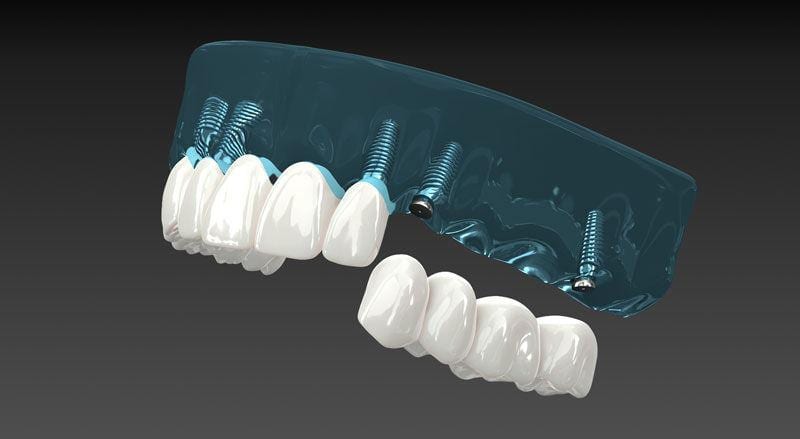 Dental Implant Aftercare GuidePatient Guide · 2026 Dental Implant Aftercare Guide — Zygomatic, All-on-4, All-on-6 & 3-on-6 Everything you need to know about protecting your implants, managing recovery and maintaining your new smile — from day one through long-term care. ✍ Dr. Eren Pera — Oral & Maxillofacial Surgeon 🕐 15 min reRead more →
 Facial Asymmetry: Causes and Treatment OptionsHospitaprime · Patient Guide Facial Asymmetry: Causes and Treatment Options Why does one side of your face look different? Understand the possible causes, compare treatment approaches and learn what to ask before making a decision. Approx. 12-minute read · Causes, assessment and treatment You noticeRead more →
- What is the Khoury Technique?What is the Khoury Technique? A Strong and Natural Solution for Advanced Bone Resorption Using Your Own Bone Following tooth loss, bone resorption can occur in the jawbone over time. When bone loss advances, the bone volume must first be reconstructed to ensure the safe and successful placement of dRead more →
Get a Free Written Consultation
Tell us a little about what you need. Dr. Eren Pera’s team replies with a written plan and price.