TMJ Replacement Surgery in Turkey: Total and Custom Joints
 Hospitaprime8 min read
Medically reviewed by Dr. Eren Pera

TMJ replacement surgery in Turkey replaces a jaw joint (temporomandibular joint) that has been destroyed by arthritis, injury, ankylosis or failed earlier surgery with a prosthetic joint custom-made from your CT scan. It is a last-step treatment, considered only when simpler options have not helped. At Hospitaprime in Istanbul it is planned and performed by oral and maxillofacial surgeon Dr. Eren Pera.
Key facts
- What it is: a total joint replacement with two parts: a socket (fossa) component fixed to the skull base and a jaw (condyle) component fixed to the lower jaw.
- Who it is for: a joint that is structurally destroyed, fused (ankylosed) or failed after earlier surgery. It is not a treatment for clicking or for muscle pain alone.
- Custom joints: at Hospitaprime the prosthesis is planned from your X-rays, CT or MRI and made for your anatomy.
- One or both sides: a single joint or a bilateral TMJ replacement, often combined with jaw surgery when the bite is affected.
- Hospital stay: short; how long varies from patient to patient. Jaw exercises start early, and you eat a soft diet for the first weeks.
- Price: set individually. You receive a written plan and price after Dr. Pera reviews your scans, before you book flights.
What is total TMJ replacement?
The temporomandibular joint sits just in front of each ear. It is where the rounded top of the lower jaw (the condyle) moves inside a socket in the skull base, cushioned by a small disc. When the condyle, the socket or both are badly damaged, the joint can no longer move smoothly or carry chewing forces.
A total TMJ replacement removes the damaged parts and replaces both sides of the joint. The jaw component is fixed to the lower jaw with screws, and the socket component is fixed to the bone of the skull base. Together they act as a new hinge and gliding joint. Because the device replaces bone, the aim is a stable, working joint: better mouth opening, chewing and diet, and in many patients less pain.
Who needs a TMJ joint replacement?
Most jaw joint problems never need surgery. Splints, physiotherapy, medication and habit changes help the majority of patients, and our guide to temporomandibular joint disorders explains these first steps. A joint replacement is considered when the joint itself is destroyed, for example by:
- End-stage arthritis, including osteoarthritis and inflammatory conditions such as rheumatoid arthritis.
- Ankylosis, where the joint has fused with bone or scar tissue and the mouth barely opens.
- Failed earlier joint surgery, including failed grafts or earlier joint implants (revision TMJ replacement).
- Condylar resorption, where the top of the jaw bone slowly wears away and the bite changes.
- Severe injury or a tumour that has destroyed the joint.
The table shows where joint replacement sits among the TMJ treatments, from least to most invasive.
| Treatment | What it involves | When it is considered |
|---|---|---|
| Conservative care | Splint, physiotherapy, medication, habit changes | First step for most TMJ symptoms |
| Botox | Injections into the chewing muscles | Clenching and grinding, when suitable |
| Arthrocentesis | Washing out the joint with fine needles | Locking or inflammation that does not settle |
| Arthroscopy | Keyhole examination and treatment of the joint | When washout is not enough |
| Open joint surgery | Repair or reshaping of the joint through an incision | Disc or bone problems that can still be repaired |
| Total TMJ replacement | Both joint surfaces replaced with a prosthesis | Joint destroyed, fused or failed after surgery |
Why a custom-made TMJ replacement?
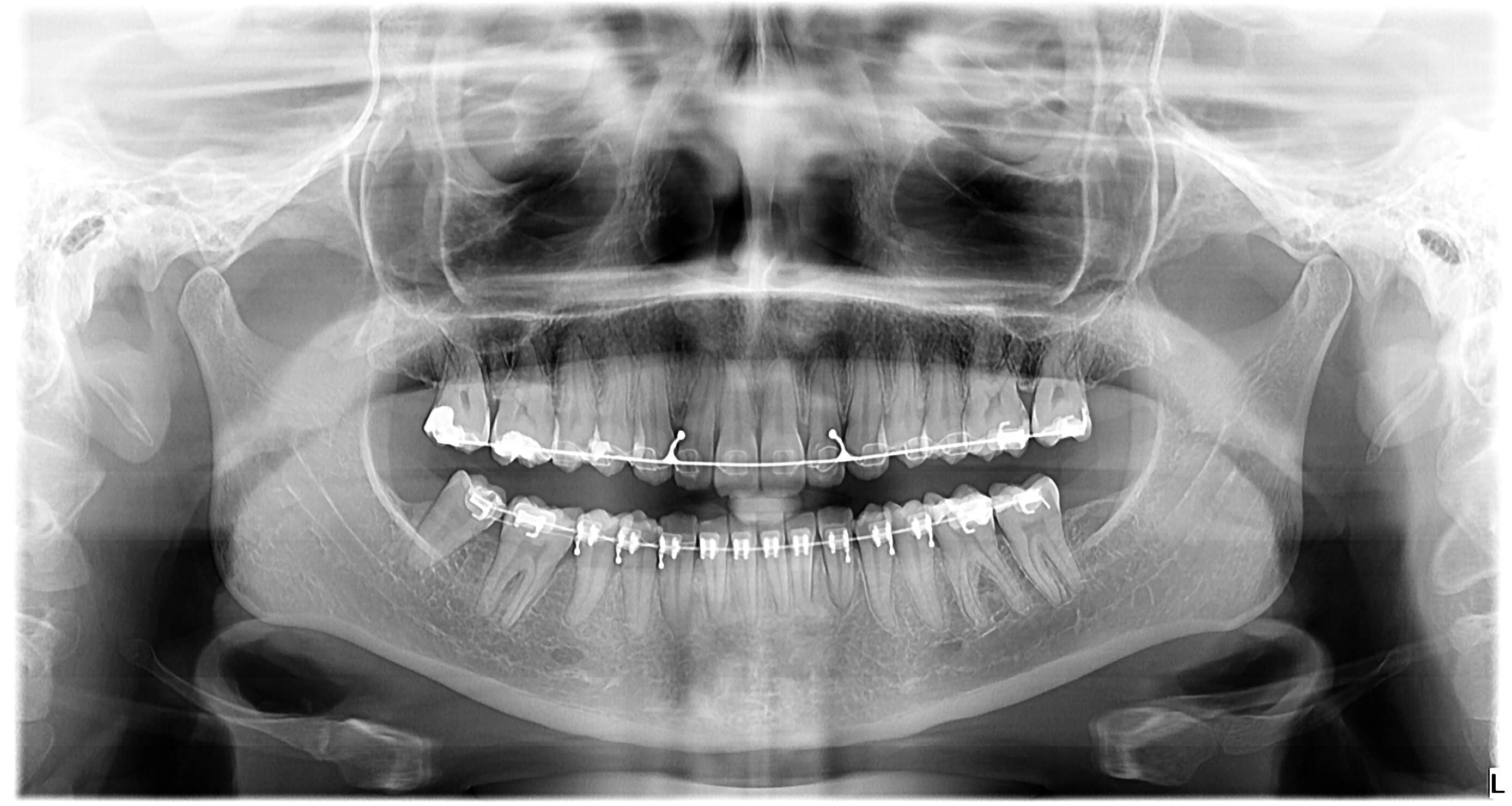
At Hospitaprime, every TMJ replacement uses a custom-made (patient-specific) prosthesis. It is designed from a CT scan of your skull and jaw, so the components follow your own bone shape, instead of the bone being adapted to the closest of a range of standard sizes.
This matters most when the anatomy is distorted: after several earlier operations, with ankylosis, with large bone loss, or when the jaw also needs to be moved into a new position. Because a custom device is designed and manufactured for one patient, your CT scan is needed well before surgery, and Dr. Pera’s team tells you how long the planning and production take for your case.
When is bilateral TMJ replacement needed?
A bilateral TMJ replacement replaces both joints, usually in the same operation. It is considered when both joints are destroyed, which is more common with inflammatory arthritis, condylar resorption or ankylosis on both sides.
When both joints are replaced, the surgeon can also decide where the lower jaw should sit. That is why bilateral cases are often planned together with orthognathic (jaw) surgery: the bite, the profile and the airway are planned in 3D at the same time as the new joints.
How is TMJ replacement surgery done?
At Hospitaprime the treatment follows these steps:
- Online review. You describe your symptoms and send any scans and reports you have. You receive a first opinion and a written plan.
- Diagnosis and imaging. A clinical examination and imaging, usually CT and sometimes MRI, to see the bone, the joint and the bite.
- Planning and design. Dr. Pera plans the operation and the prosthesis from your scans. If the jaw also needs to move, the jaw surgery is planned in the same 3D plan.
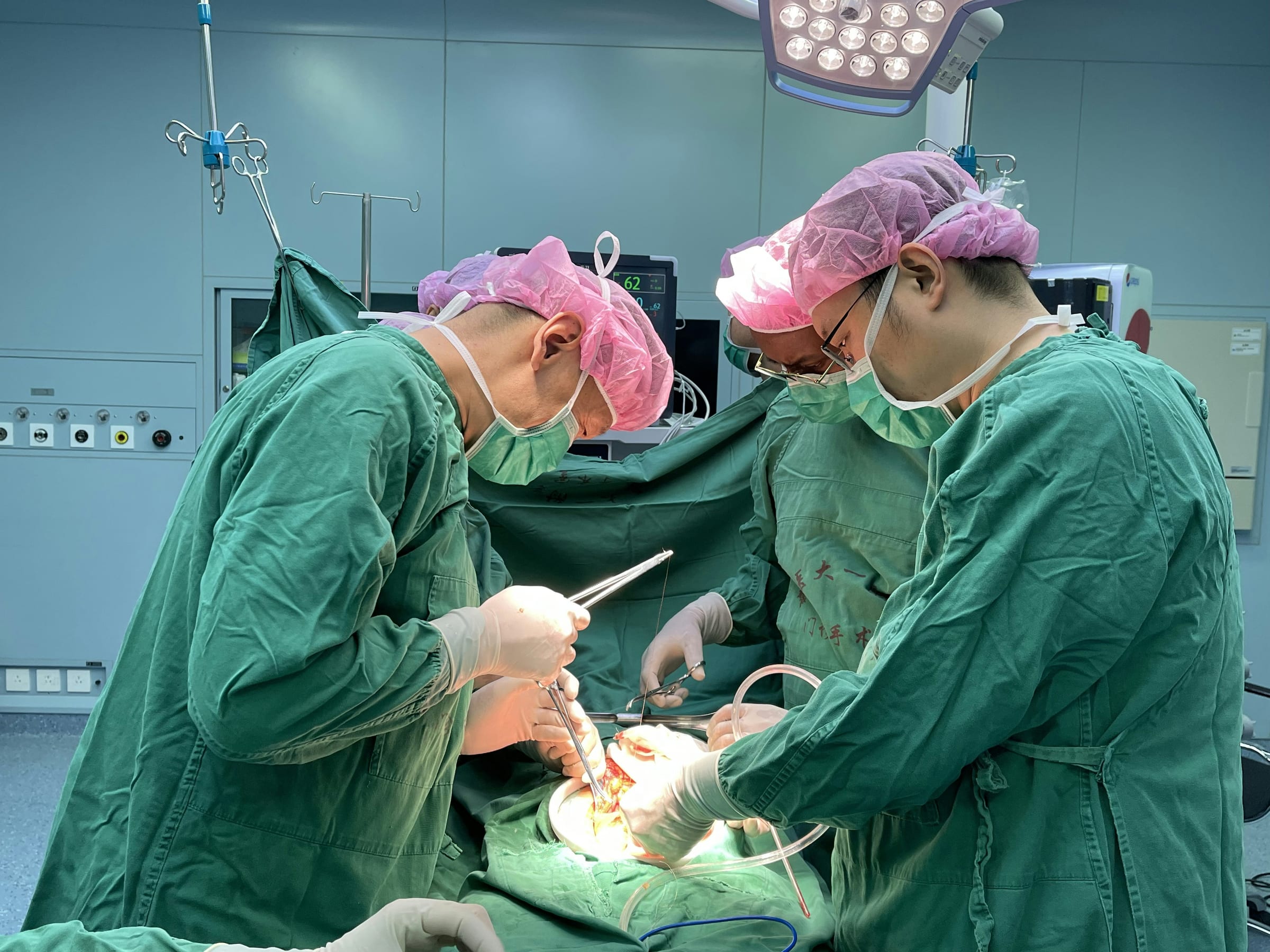
- Surgery. Under general anaesthesia, the joint is reached through a small incision in front of the ear and a second one below the angle of the jaw. The damaged joint is removed, the new components are fixed with screws and the bite is checked.
- Hospital stay. A short stay; how long varies from patient to patient.
- Rehabilitation. Jaw-opening exercises start early to regain movement. A soft diet is needed for the first weeks.
- Follow-up. Check-ups in Istanbul, then online follow-up when you are home.
What are the risks of TMJ replacement?
TMJ replacement is major surgery close to the facial nerve and the ear. Dr. Pera explains your individual risks in writing before you book. Possible complications include:
- Weakness of the facial nerve, for example difficulty raising an eyebrow or closing the eye fully. This is usually temporary but can be permanent.
- Numbness of the skin around the ear and cheek.
- Infection. A deep infection of the prosthesis may mean it has to be removed and replaced later.
- Bleeding, swelling and scarring at the incisions.
- A change in the bite, which may need adjustment.
- Pain that does not go away completely. A new joint tends to improve opening, chewing and diet more predictably than long-standing pain.
- Bone growing around the joint or, rarely, dislocation, which can limit movement again.
- Future revision. Like other joint replacements, the device may need to be revised in later years.
For an overview of the procedure written for patients, see 5 things to know about jaw joint replacement surgery.
How much does TMJ replacement surgery cost?
Hospitaprime does not publish a single price for TMJ replacement, because the work varies so much from one patient to the next. After Dr. Pera reviews your scans you receive a written plan with a fixed price, before you book flights. The cost depends mainly on:
- One or both joints (unilateral or bilateral TMJ replacement).
- The custom-made prosthesis, designed and manufactured for your anatomy.
- Combined jaw surgery, if the bite or profile is corrected at the same time.
- Extra steps, such as removing earlier implants, plates or fused bone.
- Hospital stay, anaesthesia and imaging.
The written plan also lists what is included, such as transfers between the airport and the clinic, a translator, your aftercare plan and exercises, and online check-ups at home.
Why have TMJ replacement in Istanbul with Dr. Eren Pera?
Dr. Eren Pera (DDS, OMFS) studied dentistry at Hacettepe University and completed his specialty training in oral and maxillofacial surgery at Ankara University, including rotations in anaesthesiology, emergency medicine, plastic surgery and ENT. TMJ surgery is one of his focus areas alongside orthognathic surgery, so a joint problem linked to the bite can be planned and treated together with the jaw. He founded Hospitaprime in 2023; in 2024 it became Turkey’s first certified ZAGA Center. You can read more on Dr. Eren Pera’s profile.
Frequently asked questions
Is TMJ replacement permanent?
The prosthesis is designed for long-term use, but no joint replacement can be guaranteed for life. Wear, infection or changes in the surrounding bone can mean a revision is needed in later years, so regular follow-up matters.
Can I have a revision TMJ replacement after failed surgery elsewhere?
Often, yes. Send your scans, operation reports and details of any implants you already have. Dr. Pera reviews them and tells you whether a revision is possible and what it would involve.
Does Hospitaprime use custom-made TMJ joints?
Yes. Every TMJ replacement at Hospitaprime is a custom-made (patient-specific) prosthesis, designed from your CT scan so that it follows your own bone shape. This is especially important when the bone is distorted, after several operations or when the jaw is also being moved.
How long will I be in hospital?
A short stay; how long varies from patient to patient. After that you continue with check-ups in Istanbul before flying home, and online follow-up continues from home. Message us on WhatsApp for the timing of your own plan.
When can I eat normally again?
You start with a soft diet for the first weeks and move to firmer food gradually, as your surgeon advises. The jaw exercises you are given are an important part of getting your movement back.
Will my face look different?
If only the joint is replaced, changes are usually small. If the jaw is moved at the same time, your profile changes as planned; you see the expected result in the 3D plan before surgery.
What should I send for a first opinion?
A CT or CBCT scan if you have one, any MRI, reports of earlier surgery, photos of your face and bite, and a short description of your symptoms and how wide you can open.
Ask Dr. Eren Pera
If your jaw joint has been damaged by arthritis, injury or earlier surgery, send your scans and reports on WhatsApp (+90 541 855 89 95) or through our contact form. Dr. Eren Pera’s team replies in writing with a first opinion, the treatment that suits your joint and a written price.
More from our blog
 5 Things to Know About Jaw Joint Replacement SurgeryJaw joint replacement surgery is a procedure that can help restore functionality to the jaw and relieve chronic pain associated with temporomandibular joint (TMJ) disorders. This surgery is typically recommended when other treatments have not provided relief. In this blog post, we will cover five keRead more →
 Can TMJ Cause Dizziness? Understanding Symptoms, Causes & TreatmentsTL;DR: Yes, TMJ disorder can cause dizziness because the jaw joint is located close to the inner ear, which controls balance. Inflammation, nerve irritation, and muscle tension from TMJ may lead to lightheadedness, vertigo-like sensations, and ear pressure. Other related symptoms include tinnitus, eRead more →
 Can TMJ Cause Ear Pain? Understanding the Connection & Relief OptionsTL;DR: Yes, TMJ disorder can cause ear pain because the jaw joint lies close to the ear and shares nerve pathways. This can lead to earaches, fullness, tinnitus, and even dizziness, often mimicking an ear infection. Unlike infections, TMJ ear pain usually worsens with jaw movement and does not involRead more →
Get a Free Written Consultation
Tell us a little about what you need. Dr. Eren Pera’s team replies with a written plan and price.