Failed All-on-4 Implants: Second Opinion and Rescue Options
 Hospitaprime7 min read
Medically reviewed by Dr. Eren Pera
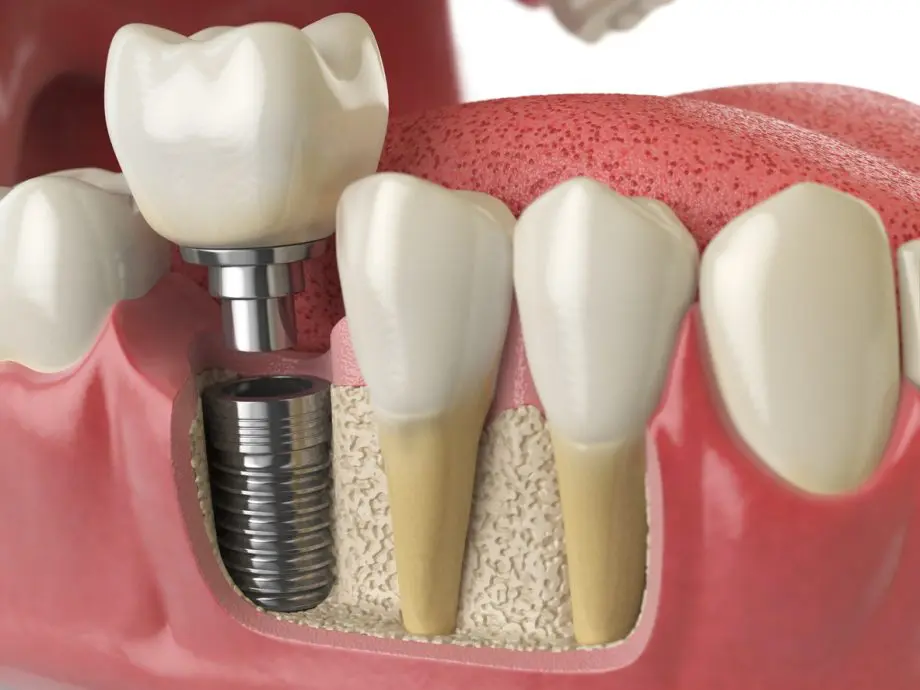
Failed All-on-4 implants can often be treated again, but the right fix depends on why they failed and how much bone is left. Options range from repairing the bridge or treating infection around one implant to replacing implants, adding pterygoid or zygomatic implants, or bone grafting. The first step is a second opinion based on a 3D CBCT scan.
Key facts
- Two kinds of failure: early failure, when an implant never fuses with the bone, and late failure, usually from infection around the implant (peri-implantitis), overload or problems with the bridge.
- Warning signs: a loose or moving bridge, pain, swelling, bleeding or pus around an implant, a bad taste, or gums shrinking away from the implants.
- Second opinion: a CBCT scan shows how much bone is left; your implant brand and earlier records help plan the repair.
- Rescue options: repair or remake the bridge, treat peri-implantitis, replace implants, add implants, or use pterygoid or zygomatic implants when the upper jaw has lost too much bone.
- Prices: All-on-4 is $5,000–7,250 per arch and a zygomatic implant $3,000 per implant at Hospitaprime (the implant only; the bridge is priced separately); a rescue plan is priced individually after Dr. Pera reviews your CBCT.
- Experience: Hospitaprime is Turkey’s first certified ZAGA Center, and Dr. Eren Pera treats failed implants and severe bone loss.
Why do All-on-4 implants fail?
All-on-4 carries a full-arch bridge on four implants, with the two back implants tilted to use the denser bone at the front of the jaw. When it is planned and maintained well, it is a reliable treatment. When it fails, the cause is usually one of these, or a combination:
- Infection around the implants (peri-implantitis), which slowly destroys the bone that holds them, often because the bridge is hard to clean.
- Overload, for example from heavy clenching or grinding, a bridge that does not fit evenly, or too few implants for the forces involved.
- Too little bone at the time of surgery, or implants placed in poor positions.
- Healing problems in heavy smokers or people with uncontrolled diabetes.
- Bridge problems, such as loose or broken screws, a fractured bridge or worn teeth, which can look like implant failure even when the implants are fine.
What are the signs of a failing All-on-4?
Not every problem means the implants are lost. The table shows common signs and what they can point to.
| Sign | What it can mean | What to do |
|---|---|---|
| Bridge moves or clicks | Loose or broken screw, or a failing implant | Stop chewing hard food on it and have it checked soon |
| Bleeding, swelling or pus around an implant | Peri-implantitis | Have it examined and X-rayed; early treatment can save the implant |
| Pain when biting on one side | Overload, infection or a failing implant | Have the bite and the implants checked |
| Gums shrinking, metal showing | Bone and gum loss around the implant | CBCT scan to measure the bone |
| Food trapped and bad taste | Bridge hard to clean, inflammation underneath | Professional cleaning; the bridge design may need changing |
How do I get a failed dental implants second opinion?
A useful second opinion is based on a scan, not only on photos. Before your review, collect:
- A recent CBCT scan of the jaw, or at least a panoramic X-ray.
- Your implant records: the brand and system of the implants and the bridge, if you can get them from your previous dentist.
- Photos of your smile and of the bridge, and a short description of your symptoms and when they started.
Dr. Eren Pera reviews the scan to see which implants are still healthy, how much bone is left, where the sinuses and nerves are, and whether your existing bridge can be reused. You then receive a written plan with the options that fit your case and a price.
What are the All-on-4 failure options?
The rescue plan follows the cause and the remaining bone. Dr. Pera often combines several of these steps in one plan.
| Option | What it involves | When it fits |
|---|---|---|
| Repair or remake the bridge | New screws, repairs, or a new bridge that is easier to clean | The implants are healthy; the problem is the bridge |
| Treat peri-implantitis | Cleaning and treatment of the implant surface and gum | Early bone loss around an implant that is still firm |
| Remove and replace implants | Failing implants removed; new ones placed in healthy bone | Enough bone remains in the jaw |
| Add implants (All-on-6) | More implants share the load | Overload, or one implant lost but bone available |
| Pterygoid implants | Implants angled into dense bone behind the upper jaw | Back of the upper jaw has lost bone |
| Zygomatic implants | Long implants anchored in the cheekbone | Severe upper-jaw bone loss after failed implants or grafts |
| Bone graft, then implants | Bone rebuilt first, implants after healing | When grafting suits the case and a longer timeline is acceptable |
What can be done for failed upper jaw implants?
The upper jaw is softer than the lower jaw, and when implants there fail, the bone loss often reaches the sinus floor. That can leave too little bone for new regular implants.
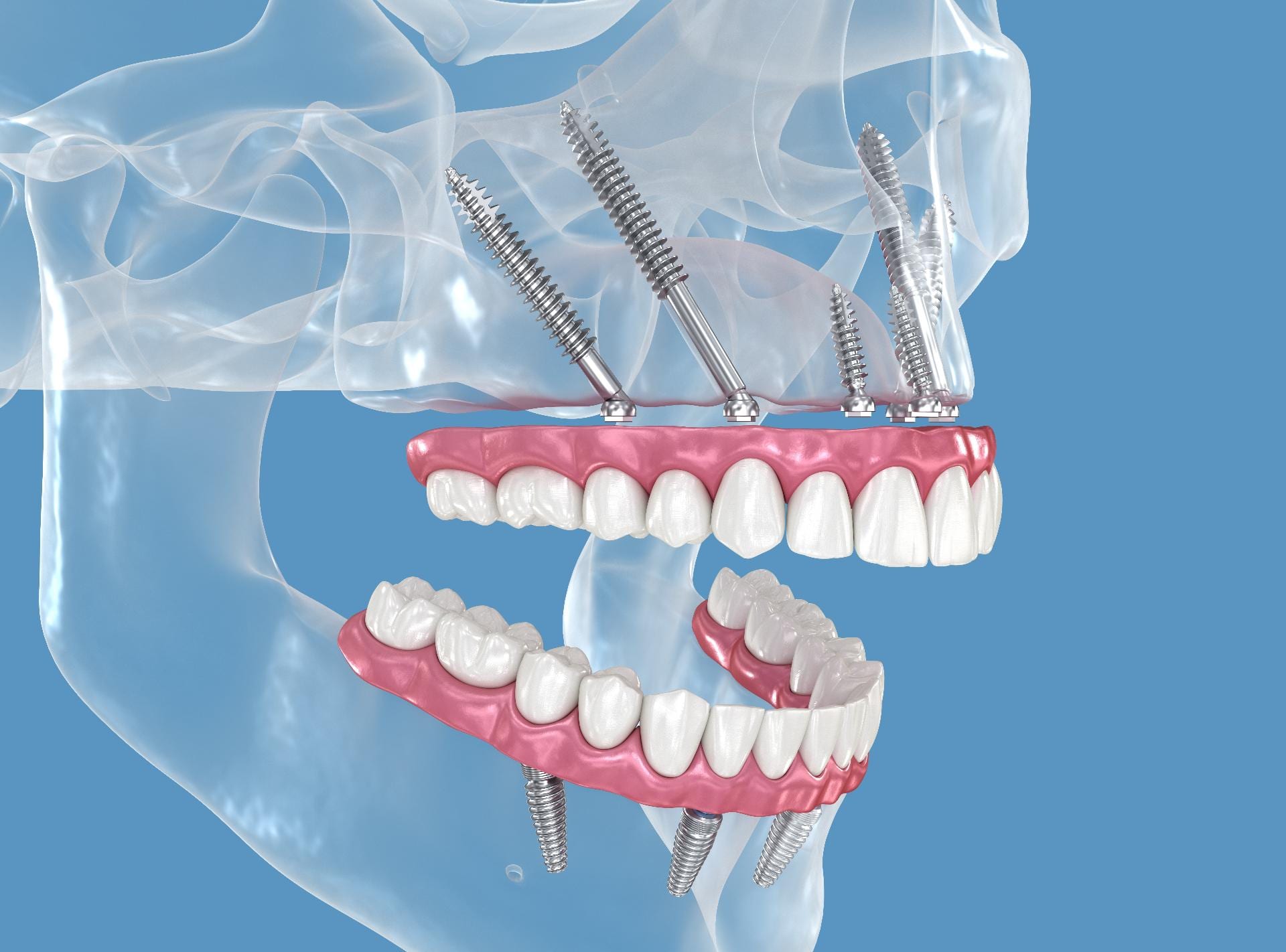
Two options avoid the sinus area. Pterygoid implants are angled into dense bone behind the upper jaw to support the back teeth. Zygomatic implants are anchored in the cheekbone, which does not shrink after tooth loss the way the jaw does, so they can carry a fixed bridge even when the upper jaw has very little bone left. They are used alone or together with regular implants at the front. If your case is suitable, fixed temporary teeth are attached soon after surgery, and the final bridge follows on a second visit about 3–4 months later.
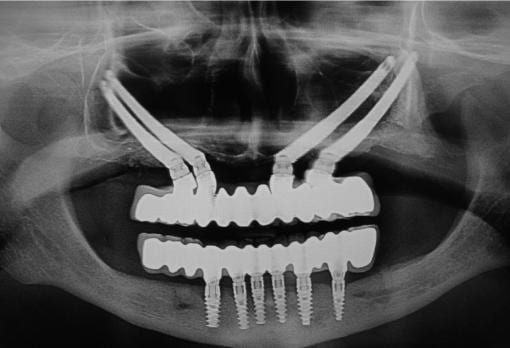
Zygomatic implant failure: can it be revised?
Zygomatic implants can also run into problems: sinusitis, infection or gum breakdown around the implant, an opening between the mouth and the sinus, or an implant that does not integrate. A zygomatic implant revision starts the same way, with a CBCT scan to see the implant path, the sinus and the cheekbone.
Depending on the findings, revision may mean treating the sinus or gum, adjusting or remaking the bridge, removing a problem implant, or placing a new one along a different path. At Hospitaprime, zygomatic implants are planned following the Zygoma Anatomy-Guided Approach (ZAGA), which places each implant according to the patient’s own cheekbone and jaw anatomy. Our article on what can go wrong with zygomatic implants explains the possible complications in more detail.
How much does it cost to fix a failed All-on-4?
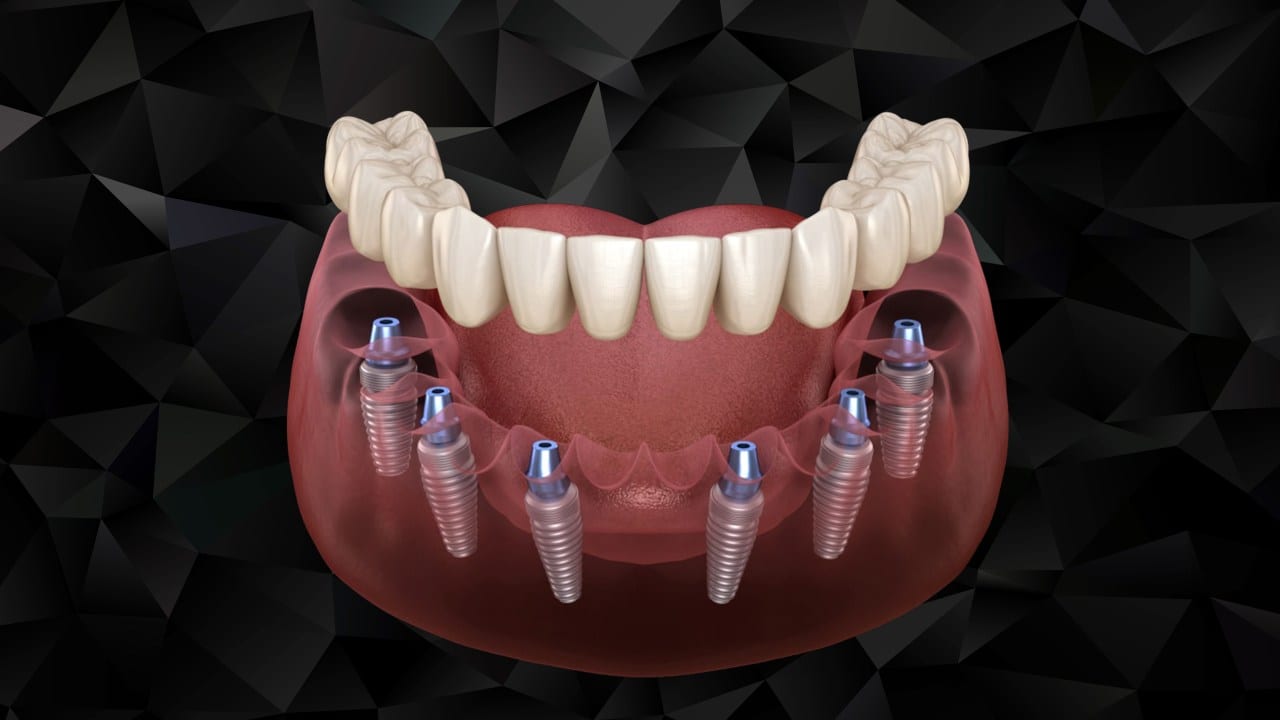
A rescue treatment is priced from your CBCT, because the work can range from a screw replacement to a new full arch with zygomatic implants. For reference, Hospitaprime’s published prices are All-on-4 at $5,000–7,250 per arch, All-on-6 and 3-on-6 at $6,500–9,000 per arch, and zygomatic implants at $3,000 per implant (the implant only; the bridge and other treatment are priced separately). Your exact price is confirmed in writing after Dr. Pera reviews your scan, before you book flights. You can compare the full-arch options on our All-on-4 and All-on-6 page.
Frequently asked questions
Can a failed All-on-4 be fixed without removing everything?
Often, yes. If some implants are healthy, they can be kept and the problem implant replaced, or more implants added. Sometimes only the bridge needs repair. A CBCT scan shows which option is realistic.
Can new implants go in during the operation that removes the failed ones?
Sometimes. If enough healthy bone remains, new implants can be placed in the same operation. If there is infection or major bone loss, the area may need to heal first, or the plan may use pterygoid or zygomatic implants that anchor in other bone.
Can my existing bridge be reused?
It depends on its condition and on whether it fits the implants in your new plan. Bring details of the implant system and the bridge to your review.
Are zygomatic implants a good option after failed upper jaw implants?
They are one of the main options when the upper jaw has lost too much bone for regular implants. Whether they suit you depends on your sinus, cheekbone anatomy and general health, assessed on CBCT.
What raises the risk of failure again?
Smoking, uncontrolled diabetes, heavy clenching or grinding and poor cleaning under the bridge. Your rescue plan addresses these, for example with a night guard or a bridge design that is easier to clean.
How long would I need to stay in Istanbul?
It depends on the plan. A single implant usually needs two visits, of about 2 days and then about 7 days; All-on-4 or All-on-6 two visits, the first about 7 days; and zygomatic implants two visits, usually 3–4 months apart, of about 6 days and then about 10 days. These figures are approximate: they vary from patient to patient and can be shorter, so message us on WhatsApp for the timing of your own plan.
Ask Dr. Eren Pera
If your All-on-4 or other implants are failing, or you were told nothing more can be done, send your CBCT or panoramic X-ray on WhatsApp (+90 541 855 89 95) or through our contact form. Dr. Eren Pera’s team replies in writing with a second opinion, the options that suit your bone and a written price.
More from our blog
 How Much Do All-on-6 Dental Implants Cost – 2026The All-on-6 dental implants cost in 2026 reflects the investment in a premium full arch restoration, offering superior stability and strength compared to the four-implant system. This fixed, non-removable solution costs $6,500 – $9,000 per arch at Hospitaprime.Read more →
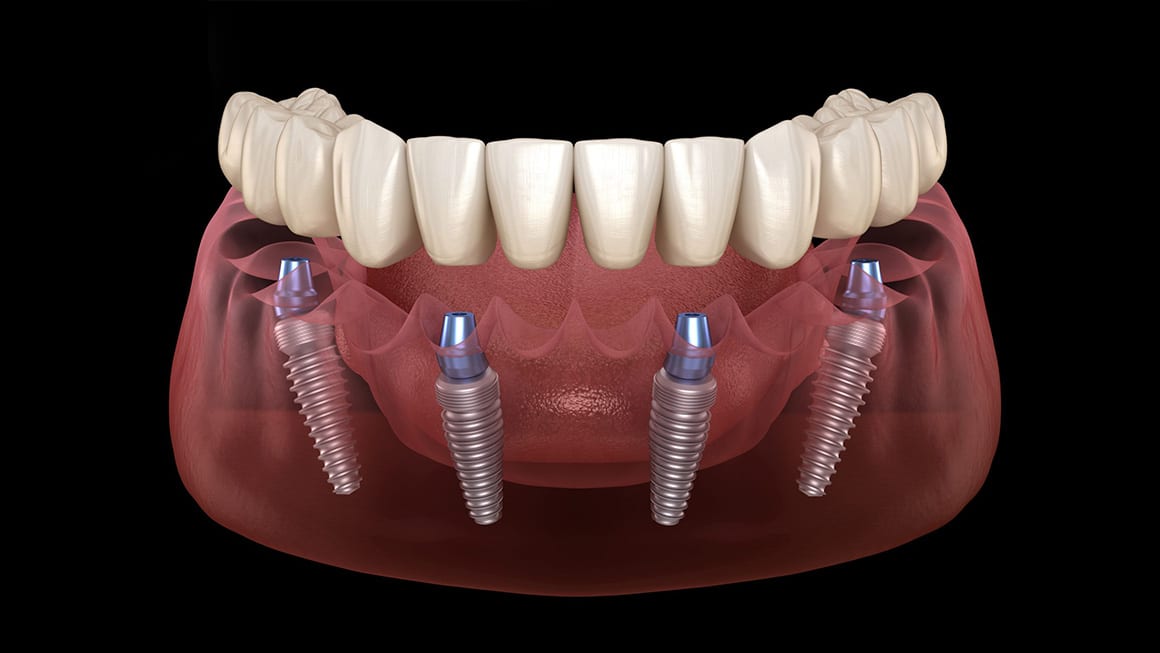 All-on-4 Dental Implants Cost 2026: Full Arch Price GuideThe All-on-4 dental implants cost in 2026 is a key concern for patients seeking a full arch restoration with a fixed, permanent solution. The average price for the All-on-4 system is $5,000 – $7,250 per arch at Hospitaprime, depending on the materials used.Read more →
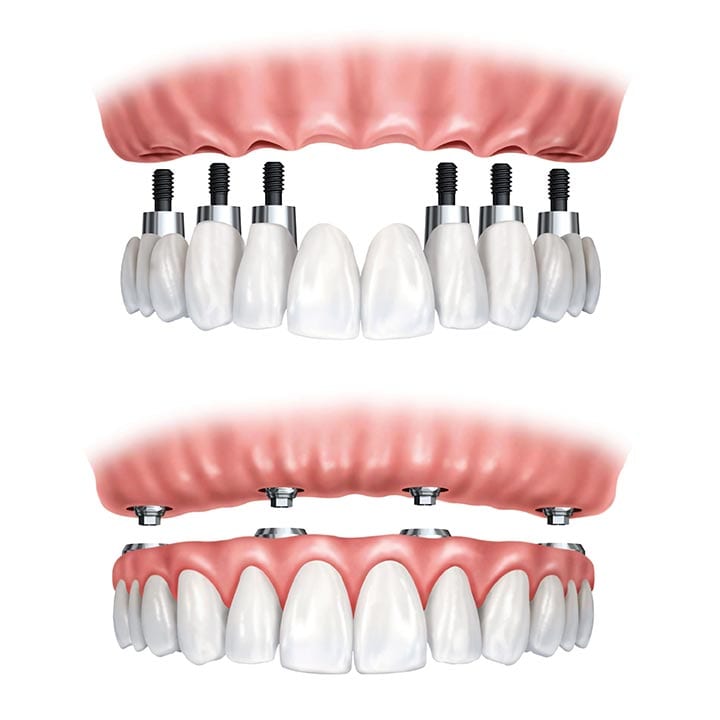 All-on-4 vs. Traditional Dental ImplantsWhen it comes to restoring your smile and oral function, dental implants offer a reliable and long-lasting solution. Two popular options for full-mouth restoration are the All-on-4 system and traditional dental implants. Both methods have their unique benefits and considerations. The All-on-4 systemRead more →
Get a Free Written Consultation
Tell us a little about what you need. Dr. Eren Pera’s team replies with a written plan and price.